
Hot Weather Safety for Pets
keep your pets safe during hot weather with expert advice from Tay Veterinary Centre
Hot Weather Safety for Pets
When the weather warms up, it’s important to remember that our pets can struggle with the heat far more than we do. Every summer, veterinary practices treat dogs and cats suffering from heatstroke, a potentially life-threatening emergency that can develop surprisingly quickly.
The good news is that most cases are preventable. With a few simple precautions, you can help keep your pets safe and comfortable throughout the warmer months.
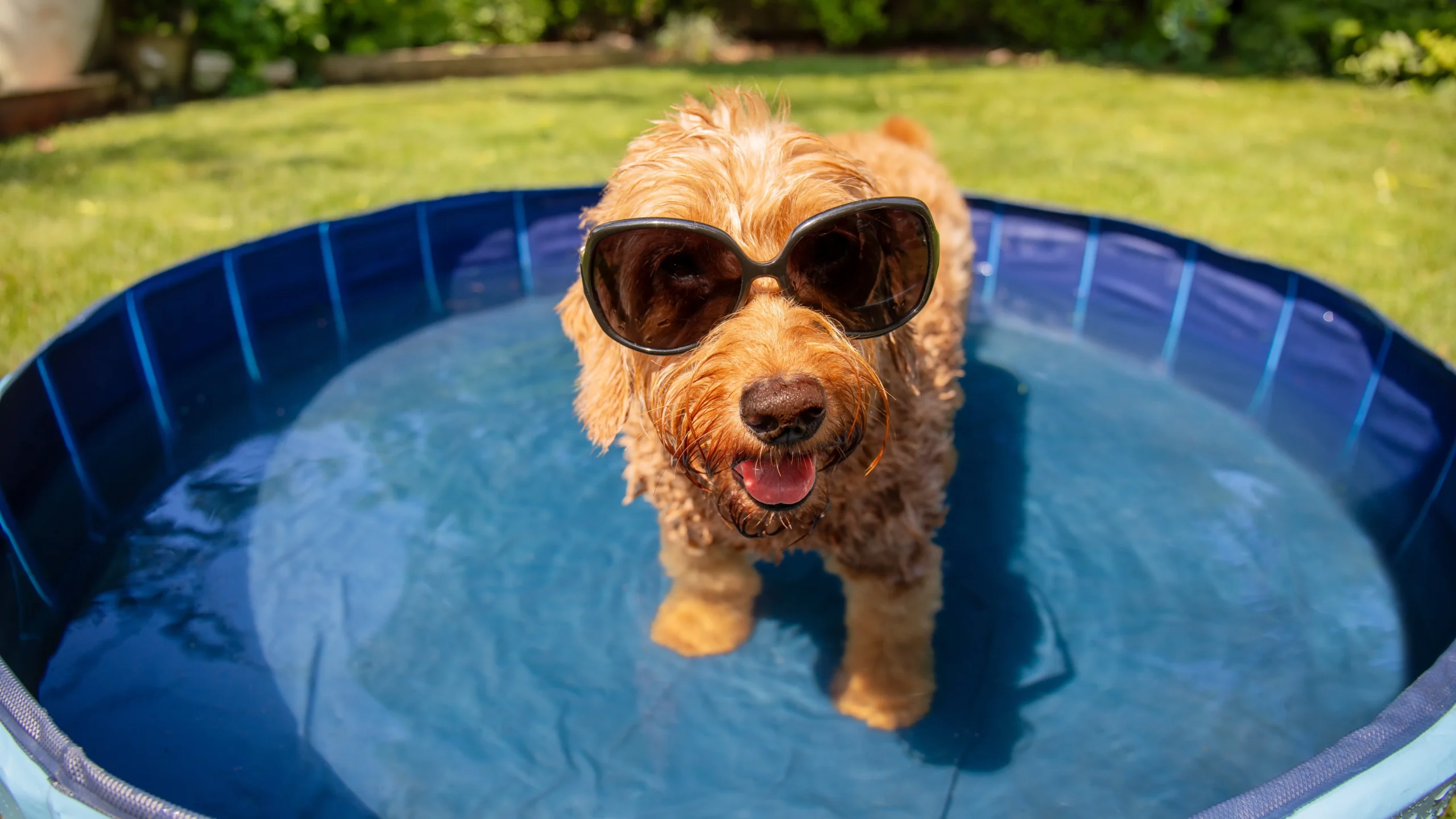
When is it too hot to walk your dog?
There’s no single temperature that’s safe for every dog, but once temperatures reach around 20°C, it’s time to start taking extra care.
Some dogs are much more likely to overheat, including:
- Flat-faced breeds such as Pugs, French Bulldogs and Bulldogs
- Puppies and elderly dogs
- Overweight pets
- Dogs with thick coats
- Dogs with heart or breathing conditions
As temperatures rise:
- Walk early in the morning or later in the evening.
- Avoid vigorous exercise and ball throwing.
- Stick to shaded routes wherever possible.
- Always carry fresh drinking water.
Remember that exercise is one of the most common causes of heatstroke in dogs, even more so than being left in a hot car.
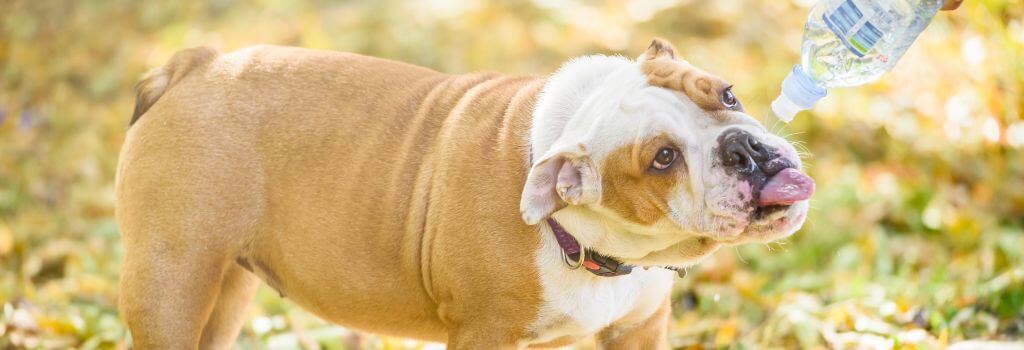
Check the pavement first
Pavements and artificial grass can become much hotter than the air temperature and can quickly burn sensitive paw pads.
A simple test:
Place the back of your hand on the pavement for five seconds.
If it’s too hot for your hand, it’s too hot for your dog’s paws!
Never leave your pet in a parked car
Even on what feels like a mild day, the temperature inside a vehicle can rise rapidly.
Opening a window or parking in the shade does not make it safe.
If your dog can’t come with you, the safest option is to leave them comfortably at home.
Signs of heatstroke
Heatstroke is a veterinary emergency.
Watch out for:
- Excessive panting
- Difficulty breathing
- Heavy drooling
- Bright red gums or tongue
- Weakness or wobbliness
- Vomiting or diarrhoea
- Collapse or unconsciousness
If you notice any of these signs, contact your vet immediately. Early treatment can save lives.
What should I do if my pet is overheating?
While someone contacts the veterinary practice:
- Move your pet into a cool, shaded or air-conditioned area.
- Pour cool to cold water over their body.
- Use wet towels around the neck, armpits and groin (avoid covering the whole body with towels, as this can trap heat).
- Offer small amounts of fresh water if they are conscious and able to drink.
- Travel to the vet immediately, even if your pet appears to recover.
Heatstroke can continue causing internal damage after your pet has cooled down, so veterinary assessment is always recommended
Helping your pet stay cool
- Ensure fresh water is always available.
- Provide plenty of shade indoors and outdoors.
- Keep your home well ventilated.
- Use cooling mats or damp towels for pets that enjoy them.
- Groom regularly to remove excess undercoat (avoid shaving double-coated breeds unless advised by your vet).
- Never leave pets in conservatories or enclosed sunny rooms.
Don’t forget cats and small pets
Dogs aren’t the only animals affected by hot weather.
Cats, rabbits and guinea pigs can also suffer from overheating.
Make sure they have:
- Constant access to fresh water.
- Plenty of shade throughout the day.
- Good airflow around hutches or enclosures.
- Housing positioned away from direct sunlight.
Outdoor hutches can become dangerously hot during summer afternoons.
Summer water safety
Many dogs enjoy swimming, but take care around:
- Blue-green algae, which can be highly toxic.
- Fast-flowing rivers.
- Strong tides at beaches.
- Deep water if your dog isn’t a confident swimmer.
Always rinse your dog with clean water after swimming in the sea or pools.
When to call your vet
If you’re worried your pet may be suffering from heatstroke or isn’t coping with the warm weather, don’t wait.